
The Art of Seeing
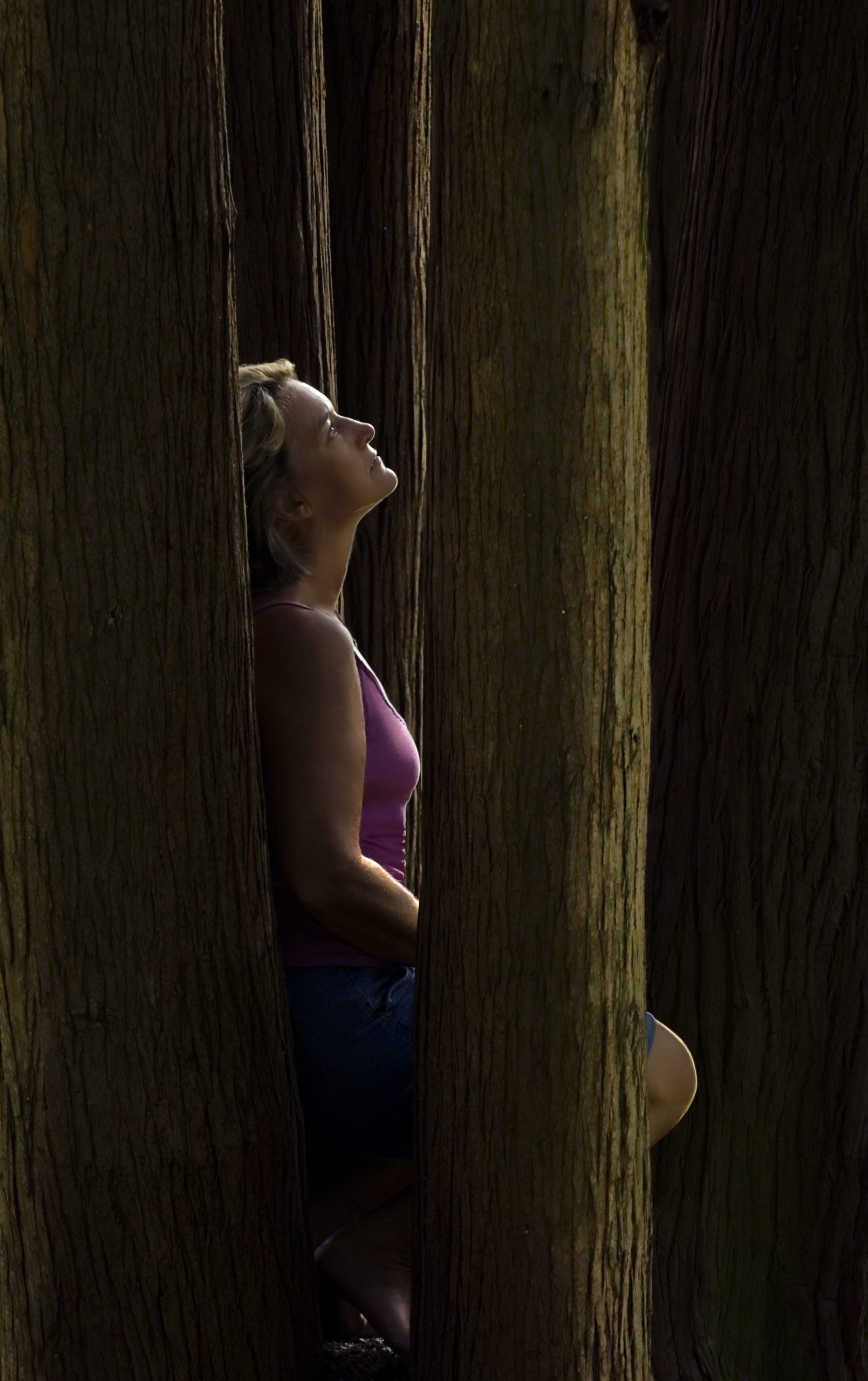
My interest in creating images began long before I picked up a camera. As an eighth-grade student, I discovered I had a talent for creating realistic graphite drawings from photographs of the people around me. With a pencil and smudge stick, I learned to reproduce the subtle transitions of light and shadow that give a face dimension, character, and mood.
Years later, when I picked up my first camera, I was immediately struck by how similar photography felt to drawing with graphite. In both, light is the essential ingredient.
I began to understand that creating a compelling photograph involves much more than simply deciding where to place the subject or when to press the shutter. The direction and quality of the light, the range of tones, and the relationship between light and shadow all influence how we experience an image. They can make a photograph feel quiet or dramatic, intimate or joyful.
In drawing, I had learned to interpret light with a pencil. With photography, I discovered another way of doing essentially the same thing: capturing light in a way that lets us see something familiar differently.
Photography as an Expression of Self
As I matured as an artist and photographer, I became increasingly interested in a different question: Why do some photographs affect us more deeply than others?
Technical skill certainly matters, but I came to believe that the photographs that stay with us often contain something beyond technical excellence or visual beauty. They touch on things that have meaning in our own lives—love, beauty, truth, joy, vulnerability, and our connections with other people.
It wasn’t until I began thinking about what those ideas meant to me personally that I came to understand my own purpose as a photographer. Photography became more than making attractive images. It became a way of expressing some of the things I value most.
A mother’s love for her child, a child’s uninhibited joy at play, or a bride’s quiet solitude as she waits for her wedding to begin can reveal something larger than the moment itself. These are ordinary human experiences, yet they speak to the relationships and emotions that give our lives meaning.
Photographs can become symbols of those connections. They remind us not only of what someone looked like at a particular moment, but of who that person was to us and how it felt to be together.
That is ultimately what I hope to accomplish with my photography.
My greatest satisfaction comes from creating a photograph that goes beyond visual beauty—one that reveals something genuine about the person in front of my camera and, perhaps, reminds the viewer of something meaningful in their own life.